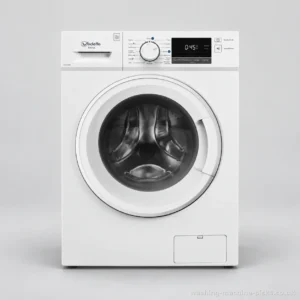
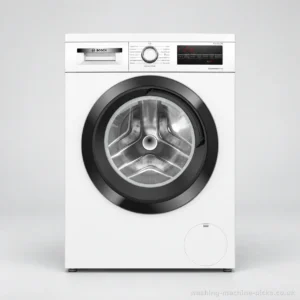
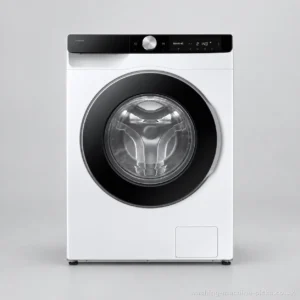
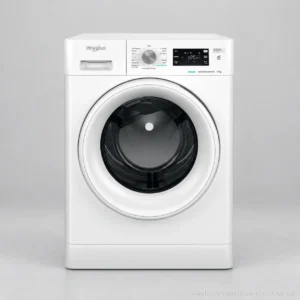
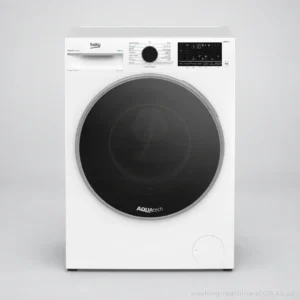
Beko B3WFT51243W
Key strength: washing capacity, rated 9.4/10.
Read the review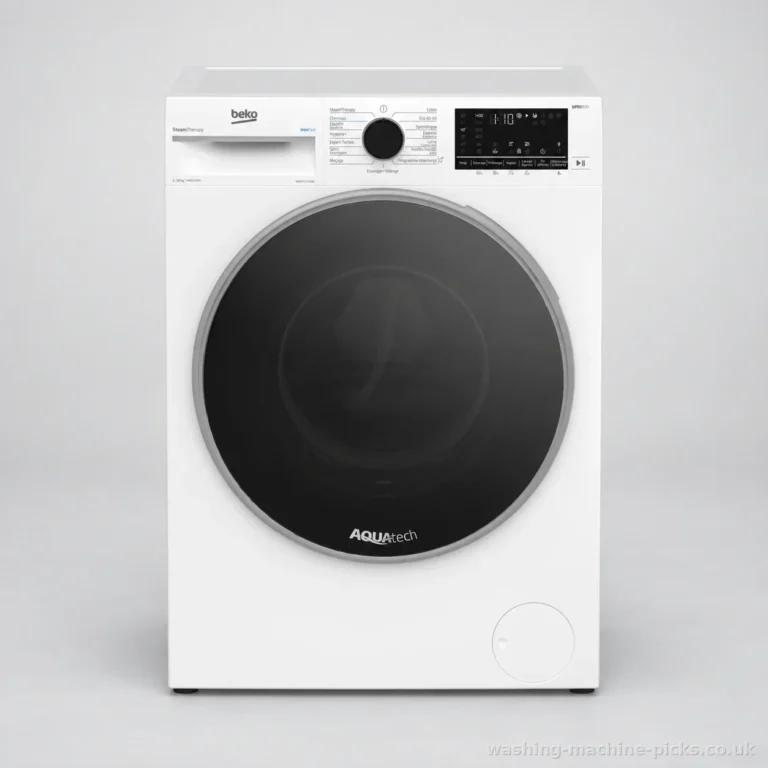 Our rankingsThe best washing machines26 washing machines
By installation
By features
Features and options
By brand
Our guides to choosing
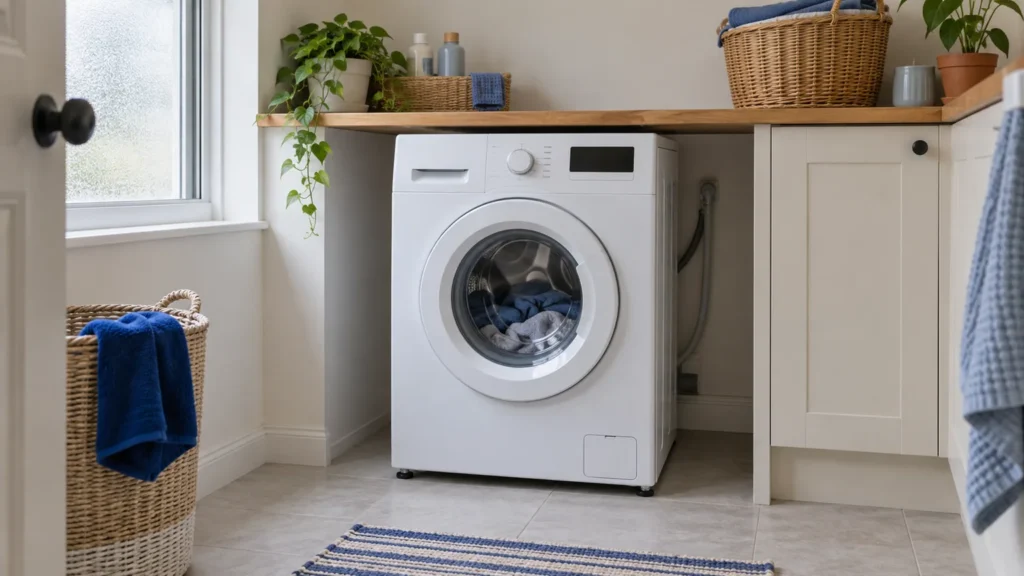
The space they actually take up sets apart models of freestanding washing machines when space is limited. Beyond the machine’s dimensions, allow room for connections and door opening to maintain convenient access.
Prices collected from retailers are for guidance only: they may have changed since, the current price is the one shown by the retailer. No price is shown for models sold only on Amazon. Amounts converted from reference prices in euros using a dated exchange rate.
Key strength: washing capacity, rated 9.4/10.
Read the review
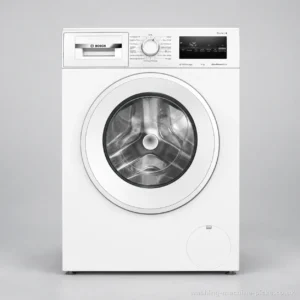
Key strength: equipment, rated 9.5/10.
Read the review
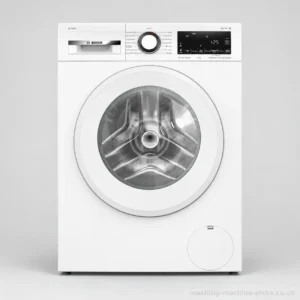
Key strength: equipment, rated 9.5/10.
Read the review| Rankings | Rating | Price | Washing capacity | Drying capacity | Dimensions: width | Dimensions: depth | Dimensions: height | Spin speed | Noise level during spin | Drum volume | Repairability index | Durability index |
|---|---|---|---|---|---|---|---|---|---|---|---|---|
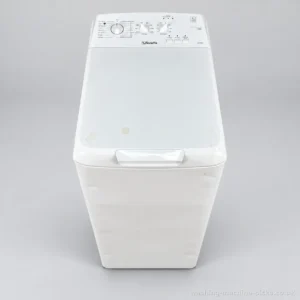
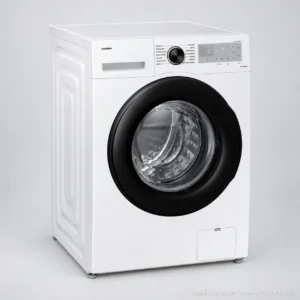
| 1. Beko B3WFT51243W | 9/10 | £425 | 12 kg | n/a | 60 cm | n/a | 84.5 cm | 1400 rpm | n/a | 75 L | 8.9 out of 10 | 8.8 out of 10 |
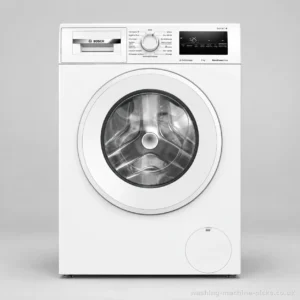
| 2. Haier HW90-B14939S8 | 8.8/10 | £339 | 9 kg | n/a | 59.5 cm | n/a | 85 cm | 1400 rpm | 67 dB | 65 L | 8.8 out of 10 | 9.3 out of 10 |
| 3. Haier HW90-B14939S8-FR | 8.8/10 | n/a | 9 kg | n/a | 59.5 cm | n/a | 85 cm | 1400 rpm | 67 dB | 65 L | 8.8 out of 10 | 9.3 out of 10 |
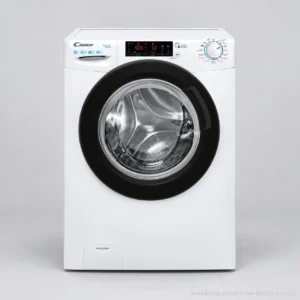
| 4. Vedette LFVQ124W | 8.6/10 | n/a | 12 kg | n/a | 59.5 cm | n/a | 85 cm | 1400 rpm | 78 dB | 76 L | n/a | n/a |
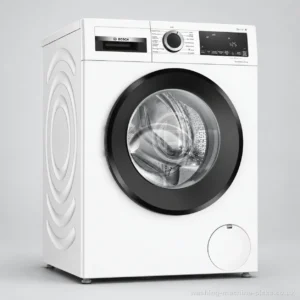
| 5. Bosch WAN2827ZFR | 8.5/10 | £442 | 9 kg | n/a | 59.8 cm | 63.2 cm | 84.5 cm | 1400 rpm | 72 dB | 65 L | n/a | n/a |
Rankings are based on our review ratings, calculated by comparing manufacturer specifications across the full catalogue.Our methodology.
The best freestanding washing machine is one that fits your home and suits your laundry habits. This format is suitable if you want to install a washing machine without a matching cabinet door, in a utility room, bathroom or kitchen, provided you meet the model’s installation requirements.
The benefit is practical: you choose the appliance to suit your laundry and available space, without having to plan for fitting it behind a cabinet door. It is a sensible option for replacing an existing machine or equipping a room where appliances remain visible. However, choosing a freestanding model still means checking the connections and access for maintenance.
When considering your budget, compare models by market tier. Assess entry-level appliances based on the programmes you need day to day. In the mid-range and premium ranges, look for a documented benefit that justifies spending more: ease of use, quiet operation or easier maintenance. Market positioning alone does not establish an appliance’s quality.
The main difference is how it is installed. A freestanding appliance remains visible, whereas an integrated washing machine is designed to fit into cabinetry that conceals its front. The choice therefore depends as much on your furniture as on your aesthetic preferences.
Do not assume that a freestanding machine cannot fit under a worktop. This installation may be possible, but the chosen model must explicitly support it. Apparently sufficient height alone does not confirm suitability.
If your priority is to conceal the appliance completely, an integrated model is worth considering. If you want a visible machine with no cabinet door to attach, a freestanding model meets that need more directly.
The right choice depends first on the clearance needed to load your laundry. With a front-loading machine, check the space in front, the clearance for the door to swing open and how comfortably you can reach the drum. In a narrow room, a door that obstructs the walkway can become a daily inconvenience.
A top-loading washing machine requires clear access above the lid. This arrangement may suit some layouts better, but it also calls for a practical check: will you be able to retrieve laundry easily from the bottom of the drum?
When space is limited, a compact washing machine is another option. Compare its actual dimensions and usable capacity before deciding. No format alone guarantees quieter operation or better reliability.
To work through the selection on this page, start by choosing a loading type that suits your room. Then compare models by the capacity your laundry needs, documented noise levels, energy and water consumption, and repair options. This will help you prioritise the benefits that really matter in your home.
The best washing machine for freestanding installation is one that fits your home and suits your usual laundry needs. To choose, check the installation requirements first, then compare usable capacity, noise, consumption and maintenance. An extra feature only deserves your attention if it meets a specific need.
Start with the available space, remembering the delivery route. An appliance may fit into the room yet obstruct a door or access to a cupboard. If space is tight, consider compact washing machine options too.
For a top-loading washing machine, check the clearance needed for the lid. Under a worktop, do not assume that the top of the appliance can be removed. The manual must confirm the installation conditions and required clearances.
Look at how much laundry builds up between your usual washes. Do you often wash small loads, or do you prefer to combine sheets, towels and clothing? Choose according to this actual volume rather than automatically matching capacity to the number of people.
A large capacity offers little benefit if you rarely fill the drum. Conversely, too little capacity may force you to run more cycles. For bulky items, check the guidance for the relevant programme and the fabric care instructions.
Focus on comparing the permitted loads for each programme. Do not assume that the advertised capacity applies to every cycle. A quick programme can only replace your usual wash if its permitted load and intended use meet your needs.
Near a bedroom or living room, prioritise a documented spin noise level. Compare values measured under the same reference conditions. The motor name or a promise of quiet operation is not enough to distinguish between appliances.
Also distinguish between maximum spin speed and spin efficiency. When choosing, examine the available efficiency rating and the settings suitable for your fabrics. The advertised speed alone does not establish that laundry will come out less damp.
If you dry laundry on an indoor drying rack, give spin efficiency more weight. If the machine is next to a living area, look for a balance with noise. Also check the levelling and installation requirements before making your choice.
Compare the energy rating, electricity consumption, water consumption and reference programme duration together. Check which programme and conditions the displayed values relate to. Do not extrapolate these results to all your washes.
The duration of the programmes you actually use deserves as much attention as the energy rating. If you need to run several loads within a limited time, check the cycle times and adjustment options in the manual.
Do not choose solely on the basis of the shortest cycle. Check its maximum load and the type of laundry it is intended for. Compare appliances on a consistent basis, then see whether their other programmes fit your routine.
List your needs before considering the options. Clear controls, straightforward maintenance and programmes suited to your fabrics may matter more than a long list of features.
A motor warranty does not mean the entire appliance has the same protection. To assess repairability, look for specific commitments rather than a general promise of durability.
Entry-level models deserve consideration if they meet your essential needs. Mid-range models are justified by documented benefits you will use. High-end models should offer an identifiable benefit for your needs beyond appearance or the number of options.
Also compare delivery, installation and old-appliance collection services. To choose between appliances, rank your criteria according to your main constraint.
| Criterion | What to look for | Common mistake |
|---|---|---|
| Limited space | Overall dimensions and door clearance that fit | Measuring only the width |
| Batching laundry | Capacity suited to the programmes used | Considering only the maximum capacity |
| Nearby living area | Documented spin noise levels | Relying on the motor name |
| Frequent use | Suitable consumption levels and cycle times | Looking only at the energy rating |
| Long-term maintenance | Clearly documented spare parts availability and warranties | Confusing motor coverage with whole-appliance coverage |
Work through these factors in order: installation, usable capacity, noise levels, consumption, then maintenance. The best value for money comes from the appliance that meets your requirements with verifiable benefits and clearly defined warranties.
No brand can be identified as the most reliable without comparable data on breakdowns and service life. When choosing, look at the specific model rather than the manufacturer's overall reputation. The availability of spare parts, warranty terms and access to after-sales service are useful criteria. User feedback can highlight recurring problems, but it is not enough to establish a reliable ranking of brands.
The top-loading format alone does not establish that an appliance is more reliable. When choosing a top-loading washing machine, examine the repairability information, available parts and warranty coverage for each model. Also check that the lid can open freely in your room. A brand's reputation or a promise of durability is no substitute for documented data on the model.
There is no justification for ruling out an entire brand without reliable evidence covering several of its appliances. Pay particular attention to models with unclear specifications, warranty terms that are difficult to understand or parts that are hard to obtain. Repeated reports of a specific fault warrant investigation. However, distinguish appliance defects from problems involving delivery, installation or the seller's service.
The best freestanding washing machine for your budget is one that meets your needs and offers documented benefits. First compare dimensions, usable capacity, spin noise and consumption, then delivery and installation services. A connected washing machine is worth considering if its features are genuinely useful to you. When relevant specifications are equivalent, prioritise ease of maintenance and repair terms over a long list of options.
Yes, if the model's manual permits this installation and the space meets its requirements. Check the height, width and overall depth, allowing for hoses and the door opening. Do not assume that the top of the appliance can be removed. A freestanding model is not necessarily an integrated washing machine designed to accommodate a cabinet door. The compatibility stated in the manual should guide your decision.
Choose the capacity according to how much laundry you accumulate between washes, how often you wash and the bulky items you need to clean. The number of people in your household is only a guide. Before opting for a large drum, check the permitted loads for the programmes you will use. The stated maximum capacity should not be assumed to apply to every cycle, particularly quick programmes or those intended for delicate fabrics.
Compare the spin noise level shown on the energy label rather than relying solely on the motor's trade name. Also examine spin efficiency and the available settings to find a balance that suits your home. A high maximum speed proves neither quiet operation nor good results. Finally, follow the levelling and installation instructions in the manual before assuming that vibrations are part of the appliance's normal operation.
No, the energy rating does not cover every aspect of consumption or every operating constraint. Also compare electricity consumption, water consumption and the duration of the reference programme, taking the appliances' capacities into account. The stated values apply to specific conditions and do not describe every cycle. To choose a suitable appliance, also check the programmes you will use frequently and their load limits.