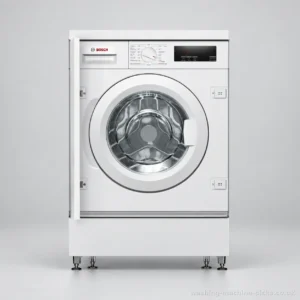
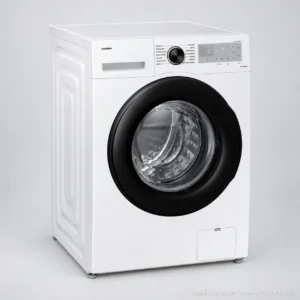
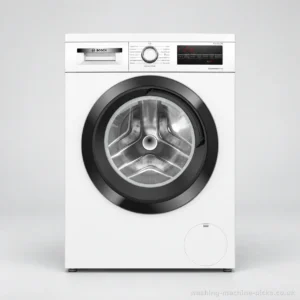
Bosch WUU28T18FR
Key strength: spin speed, rated 8.8/10.
Read the review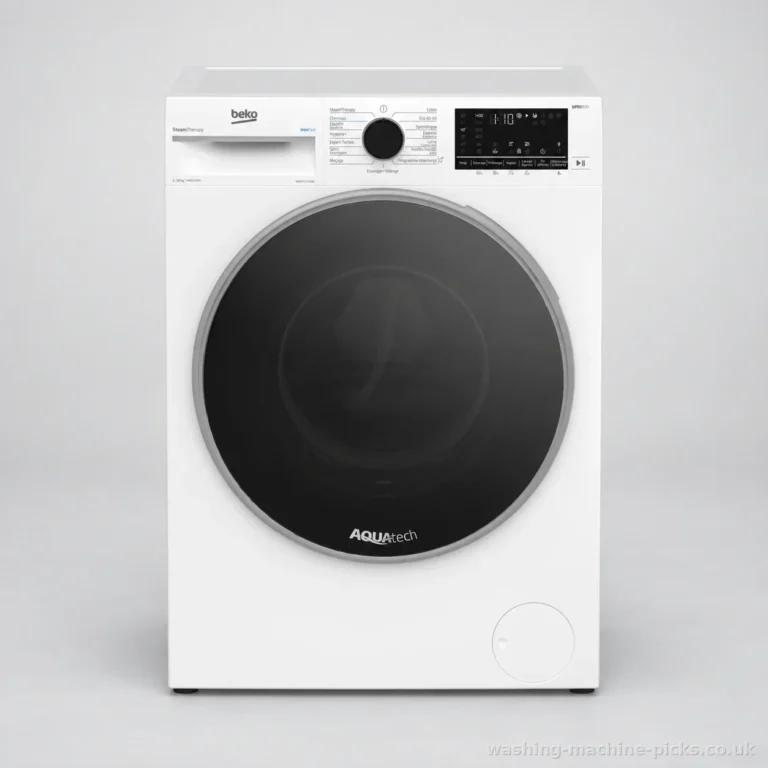 Our rankingsThe best washing machines26 washing machines
By installation
By features
Features and options
By brand
Our guides to choosing
Washing faster sometimes means reducing the load. Our selection of models helps you choose a washing machine with a quick wash programme based on the load it can handle and the cycle duration.
Prices collected from retailers are for guidance only: they may have changed since, the current price is the one shown by the retailer. No price is shown for models sold only on Amazon. Amounts converted from reference prices in euros using a dated exchange rate.
Key strength: spin speed, rated 8.8/10.
Read the review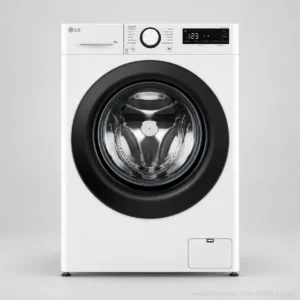
Key strength: equipment, rated 8.7/10.
Read the review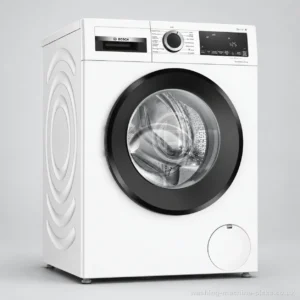
Key strength: equipment, rated 8.7/10.
Read the review| Rankings | Rating | Price | Washing capacity | Drying capacity | Dimensions: width | Dimensions: depth | Dimensions: height | Spin speed | Noise level during spin | Drum volume | Repairability index | Durability index |
|---|---|---|---|---|---|---|---|---|---|---|---|---|
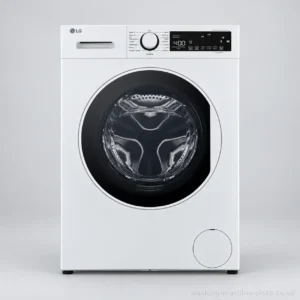
| 1. Bosch WUU28T18FR | 8.3/10 | £440 | 8 kg | n/a | 59.8 cm | 63.2 cm | 84.5 cm | 1400 rpm | 71 dB | 65 L | 8.8 out of 10 | n/a |
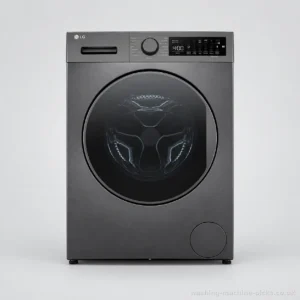
| 2. LG F94R35WHS | 8.3/10 | £374 | 9 kg | n/a | 60 cm | n/a | 85 cm | 1360 rpm | 71 dB | n/a | 8.6 out of 10 | 9.3 out of 10 |
| 3. Bosch WGG14201FR | 8.2/10 | n/a | 9 kg | n/a | 59.8 cm | 63.2 cm | 84.8 cm | 1200 rpm | 71 dB | 65 L | 8.6 out of 10 | n/a |
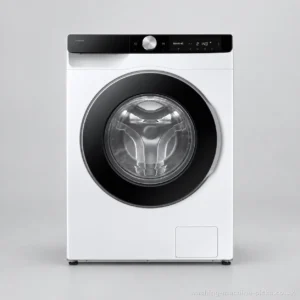
| 4. Samsung WW11DG6B85LK | 8.2/10 | £506 | 11 kg | n/a | 60 cm | 60 cm | 85 cm | 1400 rpm | 72 dB | n/a | n/a | n/a |
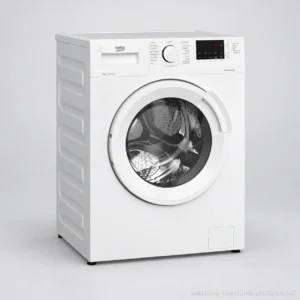
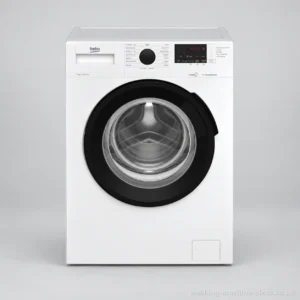
| 5. Beko WTV95220W | 8.1/10 | £161 | 9 kg | n/a | 60 cm | n/a | 84 cm | 1400 rpm | n/a | n/a | n/a | n/a |
Rankings are based on our review ratings, calculated by comparing manufacturer specifications across the full catalogue.Our methodology.
The best washing machine with a quick wash programme is one that washes your usual load in a time that fits your daily routine. When choosing, first check the load allowed on the short cycle, then its duration. A very short programme offers little benefit if it means running more loads.
The practical benefit is being able to wash lightly soiled laundry without waiting for a long programme to finish. This is useful for a few briefly worn items or an unexpected small load. It gives you more flexibility, provided you follow the fabric and load guidelines in the manual.
When considering your budget, focus on useful features. Compare entry-level, mid-range and high-end models based on what their quick wash programme actually offers. Moving up the range does not, on its own, guarantee a short cycle better suited to your needs.
A washing machine with a quick wash programme is particularly suitable for people who regularly wash small loads. A top you want to wear again soon or a few lightly worn items are suitable examples, provided their care labels allow this programme.
However, keep in mind the essential distinction between freshening up laundry and removing heavy soiling. A short cycle should not become the automatic choice for ingrained stains. Choose the programme according to the condition of the clothes, rather than just the time available.
Finally, consider how soon you need to wear the item again. Washing time does not include drying. For a garment you need to wear again quickly, also check which spin settings are suitable for its fabric.
The stated duration alone does not tell you what the programme can handle. You need to consider it alongside the laundry load, temperature and suitable fabrics. The drum’s total capacity does not tell you the maximum load for the quick wash programme.
The same caution applies to delicate fabrics. A short cycle is not necessarily a wool programme or a cold wash. Start with the garment’s care label, then look for a compatible programme in the manual.
Speed alone does not establish water and electricity consumption either. Without information specific to the cycles being compared, you cannot conclude that a short programme is more economical. Your choice should also take account of the available rinse and spin settings.
Yes, if your usual laundry meets the specified conditions. However, distinguish between the dedicated short cycle, the daily programme and the time reduction option. These functions do not necessarily accommodate the same loads or fabrics.
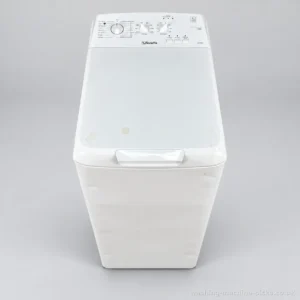
The format remains a separate decision. A compact washing machine may meet a space constraint; a top-loading washing machine may suit your layout. In each case, check the quick wash capabilities separately.
To browse the selection on this page, start with your usual laundry needs. Shortlist the models whose quick cycle suits your clothes and load size, then compare cycle times and useful settings.
The best washing machine with a quick wash programme is the one whose short cycle can handle your usual laundry load. Before comparing cycle times, check the load limit, compatible fabrics and available settings. A very short programme loses its appeal if you need to split your laundry across several washes.
The drum capacity does not tell you how much the quick wash programme can handle. Check the manual for the specific cycle you are interested in. Its maximum load should match the amount of laundry you want to wash regularly.
For a few garments you need to wear again soon, a cycle with a small load limit may be suitable. For the family laundry basket, choose a programme with a load limit that meets your needs. Any promise of a full-load quick wash programme must be confirmed in the manual, along with its conditions of use.
| Criterion | What to look for | Common mistake |
|---|---|---|
| Quick cycle load limit | A capacity suited to your usual laundry load | Considering only the drum capacity |
| Stated duration | Clearly described operating conditions | Comparing cycles designed for different uses |
| Fabrics and temperature | Compatibility with garment care labels | Assuming a quick wash is suitable for delicate fabrics |
| Consumption | Data specific to the programmes being compared | Judging savings by duration alone |
| Rinsing and spinning | Settings available on the chosen cycle | Assuming all options remain available |
Compare programmes designed for the same use. A refresh cycle for a few garments and an everyday programme serve different needs. Note the duration, load limit, temperature and intended level of soiling together.
Also check whether the stated duration includes rinsing and spinning. Read the manufacturer's conditions to find out whether any options or adjustments change the displayed time. Use the programme duration with the settings you will actually use as your reference.
Finally, distinguish between a dedicated short cycle and a time-saving option. For the latter, identify the compatible programmes and any restrictions before making it a buying criterion.
Start with the care labels and what you actually put in your laundry basket. If you mainly wash lightly soiled clothes, look for a quick cycle explicitly suited to their fabrics. For heavily soiled items, choose a programme designed for that purpose rather than the shortest duration.
A quick programme does not replace a wool programme. For delicate fabrics, check which materials are allowed, the available temperature settings and the spin instructions. A cold setting alone does not establish that the cycle is suitable for all delicate garments.
Compare appliances based on your regular needs. A function suited to the clothes you wear every week matters more than a long list of rarely used programmes.
Duration alone does not indicate consumption. Do not choose a quick programme on the assumption that it will automatically save water or electricity. Equally, its short duration is not enough to conclude that it consumes more.
Distinguish between the information on the energy label and documented consumption figures for the short cycle. When comparing, look for comparable load conditions and expected results. If consumption figures for the quick programme are not stated, treat this as an uncertainty.
Decide based on your main priority. If you need clean clothes quickly, consider the compatible short cycle. When time matters less, look at the eco programme intended for the laundry concerned.
Check which options are available on the quick cycle, particularly extra rinsing and spin adjustment. If you plan to use them, check whether they affect the duration. Do not assume that options available on another programme also apply to this one.
Then consider the practical requirements:
A connected washing machine is worth considering if its functions meet a specific need. They do not make up for an overly limited quick-cycle load capacity.
At entry level, prioritise a suitable cycle and clear controls. In the mid-range, check that the additional settings actually make laundry easier. At the premium end, expect a documented benefit that matches your needs.
Market positioning does not guarantee better quick-wash performance. Compare useful functions, then check model availability, access to its manual and after-sales service terms.
Choose the cycle that suits your typical laundry load. Check its load capacity, compatible fabrics and settings in the manual. Then compare appliances by their documented consumption, ease of use and maintenance.
The fastest programme depends on the model and the conditions specified in its manual. To choose the best washing machine with a quick wash programme, compare the duration against the maximum permitted load and the compatible fabrics. A very short cycle designed for a few lightly soiled items serves a different purpose from an everyday programme. Also check whether rinse or spin options change the stated duration.
The best programme is the one that suits your laundry’s fabric, care instructions and level of soiling. A quick cycle may suit a small, lightly soiled load if the manual allows it. For stained clothes or delicate fabrics, choose the appropriate programme. A washing machine with a steam function requires the same checks: this function alone does not determine which cycle suits each garment.
No brand can be named the most reliable without a robust comparative study covering longevity and breakdowns. When buying, focus on the specific model, its repairability, spare parts availability and after-sales service terms. Repeated reports of the same fault deserve your attention, but isolated accounts cannot establish the reliability of an entire brand.
Yes, but only if the manual permits a full load for that specific programme. The stated drum capacity does not necessarily apply to the short cycle. Check the programme-specific load limit, along with the compatible fabrics and temperatures. This precaution also applies to a top-loading washing machine. Any claim of a quick wash with a full load should be confirmed in the programme table before influencing your purchase.
A quick wash programme does not necessarily use less energy and water than an eco programme: duration alone cannot tell you how their water and electricity requirements compare. Check the documented consumption figures for each cycle, taking load and temperature into account. The information on the energy label does not automatically apply to the quick wash. Without comparable data, you cannot infer savings from the time saved alone.
A quick wash is generally not the best choice for heavily soiled laundry. Check the level of soiling specified in the manual and choose a programme suited to the fabrics concerned. For a localised stain, follow the garment’s care instructions before washing. Avoid overloading the drum or increasing the detergent dose to compensate for the short cycle: observe the permitted load and dosing recommendations.
Only if the manual explicitly states that the programme is suitable for wool and the garment’s care label permits this type of wash. A short cycle is not necessarily a delicate cycle. Temperature alone does not establish suitability: drum movements and spinning also matter. Choose a wool programme that matches the care instructions and check whether a cold wash is available when the garment requires it.
A quick wash programme is a separate cycle, while a time reduction option shortens a compatible programme. Their limits may therefore differ according to load, fabric and level of soiling. Consult the programme table to see which settings remain available and which conditions change when the option is enabled. For frequent washes, choose the solution that suits your usual load size rather than the shortest stated duration.